Rhode Island Camping: Complete Guide to State Parks and Campgrounds
Explore the best camping destinations in Rhode Island, from coastal campgrounds to forested retreats, with tips for planning your perfect outdoor getaway.
By RI Sportsman Staff • January 30, 2026
Rhode Island may be the smallest state, but it offers diverse and high-quality camping opportunities across its state parks and private campgrounds. From coastal sites with ocean breezes to forested campgrounds near freshwater lakes, Rhode Island camping provides the perfect escape into nature without traveling far from home.
Premier State Park Campgrounds
George Washington Management Area in the northwest corner of the state offers the most primitive and secluded camping experience in Rhode Island. The campground features 45 sites scattered through mature hardwood forest, with many sites offering privacy and a true backcountry feel despite being car-accessible. Bowdish Reservoir provides opportunities for swimming, fishing, and non-motorized boating. The area's extensive trail system connects to the Walkabout Trail, offering miles of hiking through diverse forest habitat.
Sites at George Washington are basic, with picnic tables and fire rings but no hookups. This appeals to campers seeking a more traditional outdoor experience without the amenities and crowds of developed campgrounds. The campground's remote location means darker skies for stargazing and a quieter atmosphere. Reservations are recommended for summer weekends, but weekday availability is generally good.
Burlingame State Park in Charlestown offers a more developed camping experience with 755 sites, making it one of the largest campgrounds in New England. The campground sits adjacent to Watchaug Pond, providing easy access to excellent fishing, swimming, and boating. Sites range from basic tent sites to those with water and electric hookups suitable for RVs. The campground includes modern restrooms with hot showers, a camp store, and recreational facilities.
The size of Burlingame means it can accommodate large groups and rarely fills completely, even on busy summer weekends. However, this also means less privacy and more campground activity. Choose sites in the outer loops for more seclusion, or embrace the social atmosphere of the central areas where families gather. The campground's proximity to southern Rhode Island beaches makes it an ideal base camp for exploring the coast.
Fishermen Memorial State Park in Narragansett provides coastal camping with a seaside village atmosphere. The campground's 182 sites are arranged along tree-lined paths, with many sites offering shade despite the coastal location. The park provides direct access to saltwater fishing, and nearby beaches are within easy reach. This campground attracts families and anglers seeking a coastal camping experience with more amenities than primitive sites offer.
Seasonal Considerations
Spring camping from late April through May offers the advantage of fewer crowds, lower rates, and comfortable temperatures for hiking and outdoor activities. Bugs are minimal early in the season, and campgrounds are rarely full. However, some facilities may not be fully operational early in the season, and weather can be unpredictable with occasional cold nights requiring appropriate sleeping bags and clothing layers.
Summer camping from June through August represents peak season, with campgrounds filling on weekends and requiring advance reservations. Temperatures are ideal for swimming and water activities, and all facilities operate at full capacity. This is the best time for family camping with children, as programs and activities are most abundant. Be prepared for occasional heat and humidity, and plan water activities during the warmest parts of the day.
Fall camping from September through October provides some of the best conditions of the year. Crowds thin dramatically after Labor Day, temperatures moderate to comfortable levels, and fall foliage adds spectacular color to the forest. Bugs are minimal, and campfire weather is perfect. Many campgrounds remain open through October, though some facilities may close earlier. This is an ideal time for couples or adults seeking a quieter camping experience.
Essential Gear and Planning
Tent selection depends on your camping style and group size. A quality three-season tent with a full rainfly protects against rain and dew while providing adequate ventilation. Size your tent larger than the minimum occupancy rating for comfort and gear storage. A four-person tent works well for two adults with gear, while families need six-person or larger tents.
Sleeping systems should be rated for the expected low temperatures plus a comfort margin. Spring and fall camping requires sleeping bags rated to 30-40 degrees Fahrenheit, while summer bags rated to 50 degrees suffice for most conditions. Sleeping pads provide insulation from the ground and cushioning for comfort. Self-inflating pads offer a good balance of comfort, packability, and ease of use.
Camp kitchen essentials include a two-burner camp stove for cooking flexibility, a cooler for food storage, and basic cooking utensils. A cast iron skillet and Dutch oven expand your cooking options and work well over campfires. Bring plenty of water or plan to refill at campground facilities. A headlamp or flashlight for each person ensures safe movement around camp after dark.
Campfire Cooking
Cooking over a campfire adds to the camping experience and produces delicious meals with minimal equipment. Build your fire well before cooking time to allow it to burn down to hot coals. Cooking over flames produces uneven heat and burnt food, while coals provide consistent, controllable heat.
Cast iron cookware excels for campfire cooking, distributing heat evenly and standing up to the rigors of outdoor use. A 10 or 12-inch skillet handles most cooking tasks, from breakfast eggs and bacon to evening stir-fries. A Dutch oven opens up possibilities for one-pot meals, baked goods, and slow-cooked dishes. Season cast iron properly before your trip and maintain it with proper cleaning and oiling.
Simple campfire meals can be surprisingly sophisticated. Foil packet dinners allow you to cook meat, vegetables, and seasonings together over coals, with each person customizing their packet to taste. Skewer meals like shish kabobs cook quickly over hot coals and require minimal cleanup. Dutch oven dishes like chili, stew, or even baked desserts cook slowly while you enjoy other camp activities.
Leave No Trace Principles
Responsible camping ensures these areas remain beautiful and accessible for future generations. Pack out all trash, including food scraps that attract wildlife. Use established campsites rather than creating new ones, and keep campsites small by focusing activity in already-impacted areas. This concentrates use and allows surrounding areas to remain natural.
Respect quiet hours and other campers by keeping noise levels reasonable, especially after dark. Children should be supervised and taught to respect other campers' space and property. Keep pets leashed and clean up after them promptly. These courtesies make campgrounds more enjoyable for everyone.
Follow fire regulations carefully, using only designated fire rings and never leaving fires unattended. Completely extinguish fires before leaving camp or going to sleep by drowning them with water and stirring to ensure no hot coals remain. Many forest fires start from improperly extinguished campfires.
Rhode Island camping offers accessible outdoor experiences for all skill levels and preferences. Whether you seek primitive backcountry solitude or developed campground amenities, Rhode Island's diverse camping options provide the perfect setting for creating lasting outdoor memories with family and friends.
Related Articles
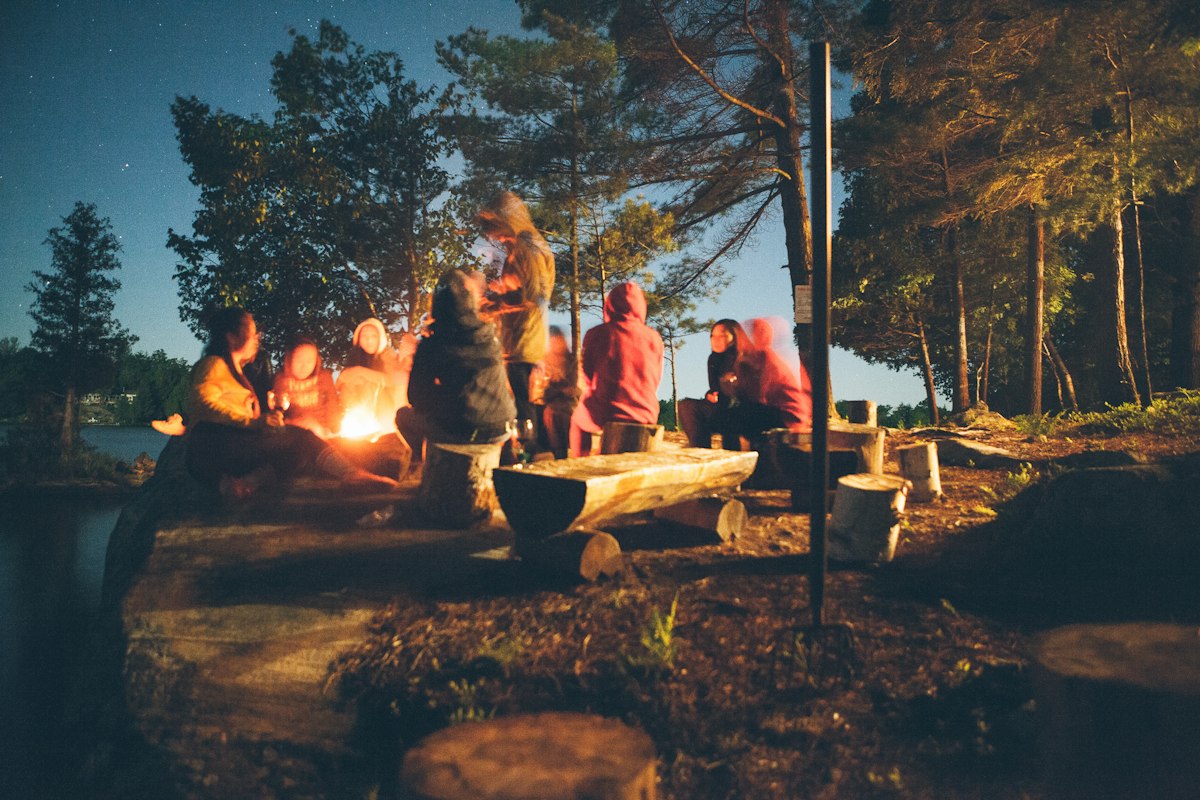
Discover Rhode Island's best backpacking trails for multi-day adventures, including the North South Trail and backcountry camping opportunities.
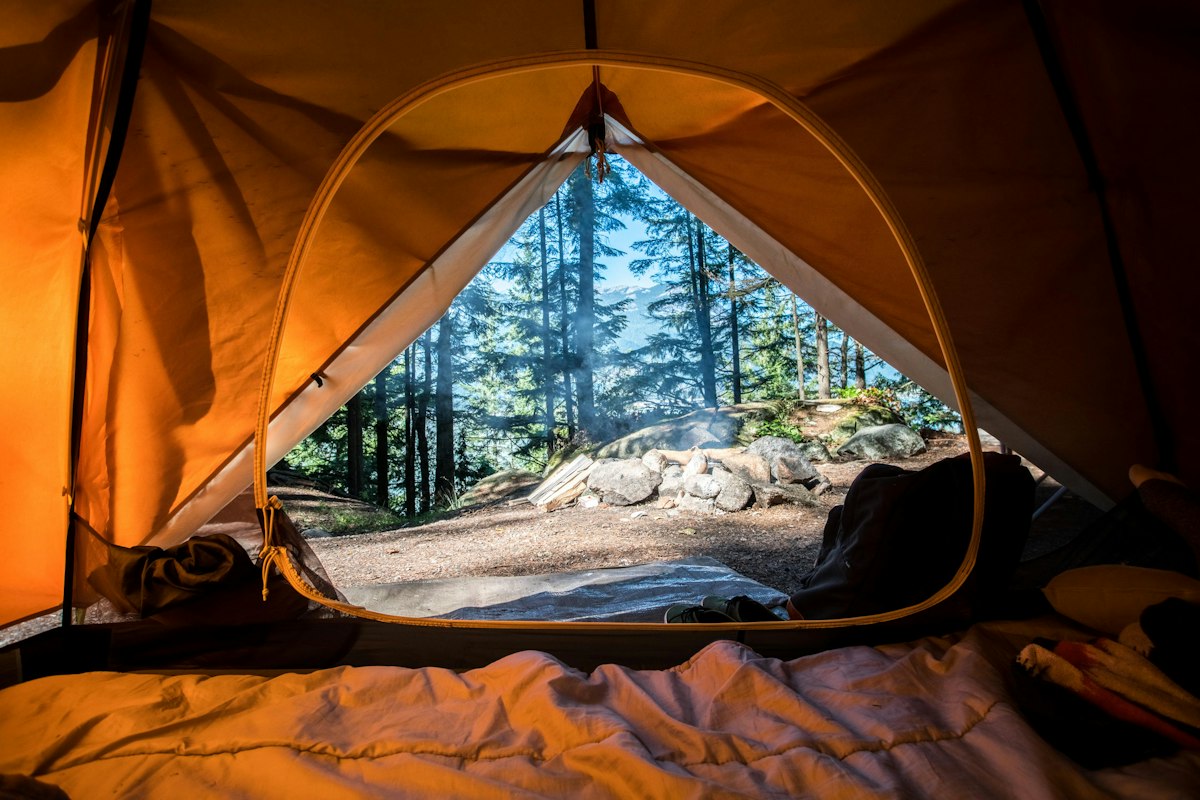
Plan the perfect family camping trip in Rhode Island with this guide to kid-friendly campgrounds, activities, and tips for camping with children.
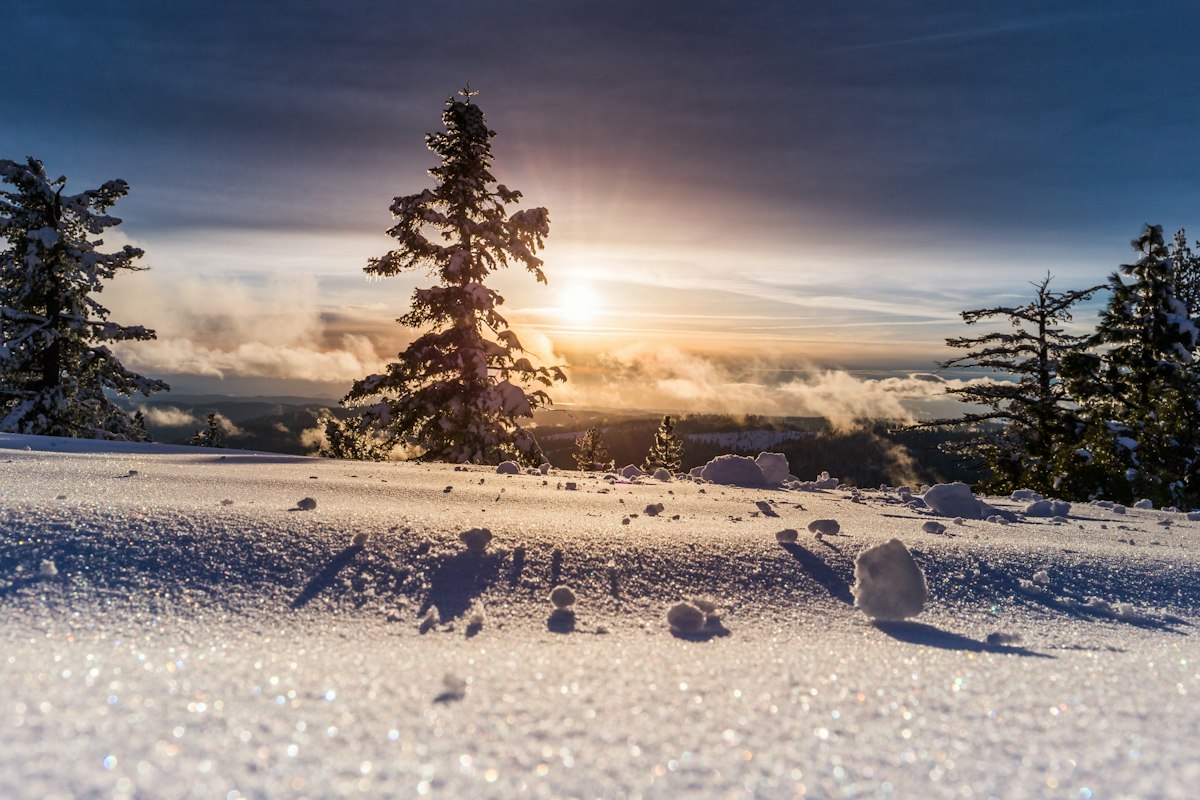
Master winter camping in Rhode Island with this comprehensive guide to gear, techniques, and locations for cold weather outdoor adventures.