Family Camping in Rhode Island: Kid-Friendly Campgrounds and Activities
Plan the perfect family camping trip in Rhode Island with this guide to kid-friendly campgrounds, activities, and tips for camping with children.
By RI Sportsman Staff • February 6, 2026
Family camping creates lasting memories and introduces children to the outdoors in ways that build appreciation for nature and confidence in outdoor skills. Rhode Island offers numerous family-friendly campgrounds with amenities and activities that make camping with kids enjoyable and stress-free. Understanding how to choose appropriate campgrounds, plan activities, and prepare for common challenges ensures successful family camping adventures.
Best Family Campgrounds
Burlingame State Park in Charlestown ranks as Rhode Island's premier family camping destination. The campground's 755 sites include modern restrooms with hot showers, a camp store, and recreational facilities. Watchaug Pond provides swimming, fishing, and non-motorized boating opportunities. The campground's size means amenities are never far away, and the social atmosphere helps children make friends with other camping families.
The campground offers various site types from basic tent sites to those with water and electric hookups. Choose sites in loops closer to facilities for convenience with young children, or select more secluded sites in outer loops for families with older kids seeking more privacy. The campground rarely fills completely, making it accessible even for last-minute trips.
Fishermen Memorial State Park in Narragansett provides coastal camping with a beach-town atmosphere. The campground's 182 sites are arranged along tree-lined paths, with modern facilities including hot showers and a camp store. The coastal location means cooler summer temperatures and ocean breezes. Nearby beaches are within easy reach, and the town of Narragansett offers restaurants, shops, and activities for rainy days.
Melville Ponds Campground in Portsmouth offers a private campground option with extensive amenities including a swimming pool, playground, recreation hall, and organized activities. The campground caters specifically to families, with weekend activities like movie nights, crafts, and games. Sites include full hookups for RVs as well as tent sites. The campground's smaller size creates a community atmosphere where children can safely explore.
Planning Your First Family Camping Trip
Start with a short trip close to home for your family's first camping experience. A single night or weekend trip allows you to test gear, learn what works, and build confidence without committing to an extended adventure. Choose a campground with good facilities and amenities to make the experience comfortable and reduce stress.
Involve children in planning by letting them help choose the campground, plan meals, and select activities. This investment in the planning process builds excitement and gives children ownership of the trip. Age-appropriate involvement might include younger children choosing snacks while older children help plan hiking routes or fishing spots.
Create a detailed packing list and check items off as you pack. Forgetting essential items like sleeping bags or cooking equipment can ruin a trip. Pack extra clothing for children, as they inevitably get dirty or wet. Bring familiar comfort items like favorite stuffed animals or blankets to help children feel secure in the unfamiliar camping environment.
Set realistic expectations about what camping involves. Children need to understand that camping means being outside, possibly encountering bugs, using campground bathrooms, and adapting to a different routine than home. Frame these differences as adventures rather than hardships. Emphasize the fun aspects like campfires, s'mores, and exploring nature.
Kid-Friendly Activities
Scavenger hunts engage children while teaching observation skills. Create lists of items to find like specific leaves, rocks, animal tracks, or sounds. Provide small bags for collecting treasures (remind children to leave living things undisturbed). Scavenger hunts work for all ages by adjusting difficulty. Younger children might look for colors or shapes, while older children can identify specific plants or animal signs.
Nature crafts using collected materials provide creative outlets. Pine cone bird feeders made by coating cones with peanut butter and rolling them in birdseed can be hung near your campsite. Leaf rubbings, rock painting, and stick structures engage children's creativity while connecting them to natural materials. Bring basic craft supplies like paper, crayons, and string.
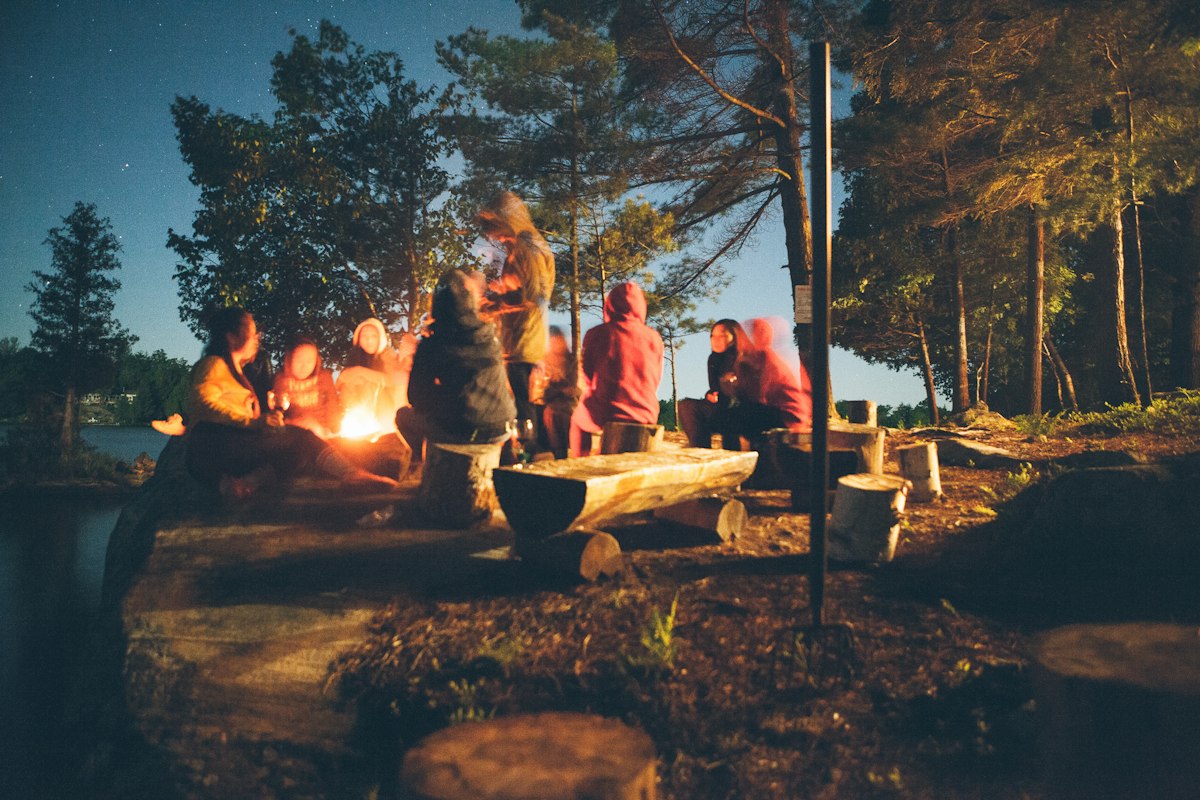
Campfire cooking involves children in meal preparation while teaching basic outdoor skills. Let children help prepare foil packet dinners by choosing ingredients and wrapping their own packets. S'mores are a camping tradition that children love, and the process of roasting marshmallows teaches patience and fire safety. Older children can learn to cook simple meals over the camp stove with supervision.
Fishing provides a focused activity that teaches patience while offering the excitement of catching fish. Choose campgrounds with easy fishing access and fish populations that provide action. Panfish like bluegills are ideal for children, as they bite readily and are easy to catch. Teach basic casting, baiting hooks, and fish handling. Even if children don't catch fish, the experience of trying is valuable.
Camping with Different Age Groups
Toddlers and preschoolers require the most supervision and accommodation. Keep trips short and close to home. Choose campgrounds with good facilities and easy access to your vehicle. Bring familiar foods, maintain regular nap schedules as much as possible, and be prepared to adapt plans based on children's moods and needs. Simple activities like exploring the campsite, collecting rocks, and watching birds provide adequate entertainment.
Elementary-age children have more stamina and independence, allowing for longer trips and more ambitious activities. This age group enjoys learning outdoor skills like fire building (with supervision), knot tying, and navigation. Provide age-appropriate responsibilities like gathering firewood or helping set up the tent. Elementary-age children often make friends easily at campgrounds, providing social opportunities.
Pre-teens and teenagers may resist family camping unless they see value in the experience. Involve them in planning and decision-making. Allow them to bring a friend to make the experience more appealing. Provide challenges appropriate to their abilities like longer hikes, fishing in more difficult waters, or learning advanced camping skills. Respect their need for some independence while maintaining appropriate supervision.
Safety Considerations
Sun protection is essential for children spending extended time outdoors. Apply broad-spectrum sunscreen with SPF 30 or higher before going outside, and reapply every two hours or after swimming. Provide hats and sun-protective clothing. Seek shade during peak sun hours from 10 AM to 4 PM. Sunburn can ruin a camping trip and cause long-term skin damage.
Insect protection prevents discomfort and disease. Use EPA-registered insect repellents appropriate for children's ages. Dress children in long sleeves and pants during peak bug times at dawn and dusk. Check children for ticks daily, particularly after hiking or playing in wooded areas. Remove ticks promptly with tweezers, grasping close to the skin and pulling straight out.
Water safety is critical around campground ponds, lakes, and beaches. Supervise children constantly around water, even if they know how to swim. Use properly fitted life jackets for young children and weak swimmers. Establish clear boundaries about where children can go near water. Never allow children to swim alone or without adult supervision.
Campground safety includes teaching children about fire safety, staying within established boundaries, and knowing what to do if they become separated from parents. Establish a meeting place at your campsite if anyone gets lost. Teach children to stay put if they become lost rather than wandering further. Consider having children carry whistles for signaling in emergencies.
Dealing with Common Challenges
Bad weather doesn't have to ruin a camping trip if you're prepared. Bring tarps to create dry areas outside your tent. Pack rain gear for everyone and extra clothing in case things get wet. Plan indoor activities like card games, books, or crafts for rainy periods. Many campgrounds have covered pavilions or recreation halls that provide shelter. Sometimes the best memories come from weathering storms together.
Homesickness affects some children, particularly on their first camping trips. Bring comfort items from home and maintain some familiar routines like bedtime stories. Keep children engaged with activities to prevent dwelling on missing home. If homesickness becomes severe, be willing to cut the trip short rather than creating negative associations with camping.
Sleep challenges are common when camping with children. Unfamiliar sounds, darkness, and sleeping arrangements can make bedtime difficult. Bring familiar bedding or sleeping bags. Use battery-powered lanterns or flashlights to provide comforting light. Maintain regular bedtime routines as much as possible. Accept that children may not sleep as well camping as at home, and plan accordingly with earlier bedtimes or rest periods during the day.
Sibling conflicts can escalate in the confined space of camping. Provide each child with their own space in the tent and some personal items. Plan activities that encourage cooperation rather than competition. Give children breaks from each other by allowing them to explore separately (with appropriate supervision based on age). Address conflicts promptly before they escalate.
Building Outdoor Skills
Camping provides opportunities to teach children valuable outdoor skills that build confidence and self-reliance. Start with simple skills appropriate to each child's age and gradually increase complexity as they master basics. Make learning fun rather than treating it as formal instruction.
Fire safety and fire building are fundamental camping skills. Teach children to respect fire and understand its dangers before teaching fire building. Show older children how to gather appropriate firewood, arrange kindling, and start fires safely. Emphasize the importance of completely extinguishing fires. Even young children can learn to respect fire boundaries and understand basic safety rules.
Basic navigation skills including map reading and compass use provide valuable life skills. Start by teaching children to orient maps to their surroundings and identify landmarks. Show them how to follow trails and recognize trail markers. Older children can learn compass basics and practice navigating to specific locations. These skills build confidence and reduce fear of getting lost.
Leave No Trace principles teach environmental responsibility. Explain why we pack out trash, stay on trails, and leave natural objects undisturbed. Make it a game to leave campsites cleaner than you found them. Children who learn these principles young carry them throughout their lives, becoming responsible outdoor users and environmental stewards.
Conclusion
Family camping in Rhode Island offers accessible opportunities to connect with nature, build family bonds, and create lasting memories. By choosing appropriate campgrounds, planning engaging activities, preparing for challenges, and maintaining realistic expectations, families can enjoy successful camping adventures that instill love for the outdoors in the next generation. Start with short trips close to home, learn from each experience, and gradually expand your family's camping adventures as skills and confidence grow.
Related Articles
Explore the best camping destinations in Rhode Island, from coastal campgrounds to forested retreats, with tips for planning your perfect outdoor getaway.
Discover Rhode Island's best backpacking trails for multi-day adventures, including the North South Trail and backcountry camping opportunities.

Master winter camping in Rhode Island with this comprehensive guide to gear, techniques, and locations for cold weather outdoor adventures.