Choosing Your First Hunting Rifle: A Complete Guide
Expert advice on selecting the right hunting rifle for deer, turkey, and other game, with recommendations for calibers, actions, and optics.
By RI Sportsman Staff • January 28, 2026
Selecting your first hunting rifle represents a significant investment and an important decision that will affect your hunting success for years to come. Understanding the factors that make a rifle suitable for hunting helps you make an informed choice that matches your needs, budget, and intended use.
Caliber Selection
The caliber you choose should match the game you intend to hunt most frequently. For deer hunting in Rhode Island and throughout the Northeast, several calibers have proven themselves over decades of use. The .308 Winchester offers an excellent balance of power, recoil, and ammunition availability. This caliber delivers sufficient energy for clean, ethical kills on deer-sized game at typical hunting ranges while remaining manageable for most shooters.
The .30-06 Springfield represents the classic American hunting cartridge, capable of handling any game in North America. It offers slightly more power than the .308 with a modest increase in recoil. Ammunition is universally available, and the .30-06 has taken more game worldwide than perhaps any other cartridge. If you plan to hunt larger game like elk or moose in addition to deer, the .30-06 provides the versatility to handle both.
The .270 Winchester delivers flatter trajectory and less recoil than the .30-06 while providing adequate power for deer. This makes it an excellent choice for hunters who will take longer shots across open terrain or who are recoil-sensitive. The .270 has a well-deserved reputation for accuracy and has accounted for countless deer over its long history.
For hunters primarily focused on deer at moderate ranges in wooded terrain, the .243 Winchester offers mild recoil and excellent accuracy. While some consider it marginal for deer, proper shot placement with quality bullets makes it entirely adequate. The .243 is particularly well-suited for youth or smaller-framed hunters who may struggle with heavier-recoiling calibers.
Action Types
Bolt-action rifles dominate the hunting rifle market for good reasons. They offer inherent accuracy, reliability in adverse conditions, and simplicity of operation. The bolt-action design locks the cartridge firmly in the chamber, contributing to consistency and precision. Most bolt-actions hold 3-5 rounds, which is adequate for hunting situations where careful shot placement matters more than volume of fire.
Quality bolt-action rifles are available across a wide price range. Budget-friendly options like the Ruger American and Savage Axis deliver surprising accuracy and reliability for the money. Mid-range rifles like the Tikka T3x and Bergara B-14 offer refined features and excellent accuracy. Premium rifles from manufacturers like Weatherby, Sako, and custom builders provide the ultimate in fit, finish, and performance.
Semi-automatic rifles have gained popularity among hunters for their fast follow-up shot capability and reduced felt recoil due to the action cycling. The Browning BAR and Benelli R1 represent quality semi-auto hunting rifles, though they typically cost more than comparable bolt-actions. Semi-autos work well for hunters who may need quick follow-up shots or who hunt in areas where multiple animals may present opportunities.
Lever-action rifles maintain a following among hunters who appreciate their fast handling, classic aesthetics, and proven effectiveness. The Marlin 336 and Henry Long Ranger in .30-30 Winchester or .308 Winchester offer reliable performance in a compact package ideal for brush hunting. Lever actions excel in close-range situations where their quick-pointing characteristics and fast cycling provide advantages.
Optics and Sighting Systems
A quality scope transforms a rifle's practical accuracy and extends your effective range significantly. For general deer hunting, a variable power scope in the 3-9x40mm range provides versatility for various hunting situations. This magnification range allows for close shots in thick cover at low power while providing enough magnification for longer shots across open terrain.
Scope quality matters more than magnification. A budget scope with excellent glass and reliable adjustments serves you better than a high-magnification scope with poor optics. Look for scopes with fully multi-coated lenses for maximum light transmission, especially important during the low-light conditions of dawn and dusk when deer are most active.
Reticle selection depends on personal preference and hunting style. A simple duplex reticle works well for most hunting situations, providing a clear aiming point without cluttering the view. Ballistic reticles with holdover points can be useful for longer shots if you take time to learn the system. Illuminated reticles help in low-light conditions but add cost and complexity.
Mount your scope properly with quality rings and bases appropriate for your rifle. Ensure adequate eye relief to prevent scope bite from recoil, and position the scope at a height that allows natural head position while maintaining a full sight picture. Have your rifle bore-sighted before heading to the range to get on paper quickly, then fine-tune your zero at your intended hunting range.
Rifle Fit and Handling
A rifle that fits you properly improves accuracy, reduces felt recoil, and makes shooting more comfortable. Length of pull, the distance from the trigger to the butt of the stock, should allow you to mount the rifle naturally with your shooting arm at a comfortable angle. Most rifles come with a standard length of pull around 13.5 inches, which fits average-sized adults well.
Stock design affects how a rifle handles and shoots. Traditional walnut stocks offer classic beauty and good ergonomics but add weight. Synthetic stocks reduce weight, resist weather, and cost less, making them practical for hunting in varied conditions. Adjustable stocks allow customization of length of pull and comb height for a perfect fit.
Weight represents a compromise between carrying comfort and shooting stability. Lighter rifles are easier to carry all day but can be harder to shoot accurately and produce more felt recoil. Heavier rifles shoot more steadily and absorb recoil better but become burdensome on long hunts. For most deer hunting involving moderate walking, a rifle weighing 7-8 pounds with scope provides a good balance.
Practice and Proficiency
Owning a hunting rifle carries the responsibility to become proficient with it. Practice regularly at the range, shooting from field positions you will use while hunting. Bench rest shooting establishes your rifle's accuracy potential and confirms your zero, but practice from sitting, kneeling, and standing positions to develop field shooting skills.
Learn your rifle's trajectory at various ranges so you know where to hold for shots beyond your zero distance. Most hunters zero their rifles at 100 yards, which provides a point-blank range suitable for most deer hunting situations. Understand that bullets drop increasingly at longer ranges, and practice estimating range accurately or use a rangefinder for precision.
Develop a consistent shooting routine that you can execute under hunting pressure. Mount the rifle the same way each time, establish a solid shooting position, control your breathing, and press the trigger smoothly. Consistent fundamentals produce consistent results, whether on the range or in the field.
Selecting your first hunting rifle involves balancing many factors, but the decision need not be overwhelming. Choose a caliber adequate for your game, select an action type that suits your hunting style, invest in quality optics, and ensure proper fit. Most importantly, commit to practicing with your rifle so you can make clean, ethical shots when hunting opportunities present themselves. A well-chosen rifle becomes a trusted companion for a lifetime of hunting adventures.
Related Articles
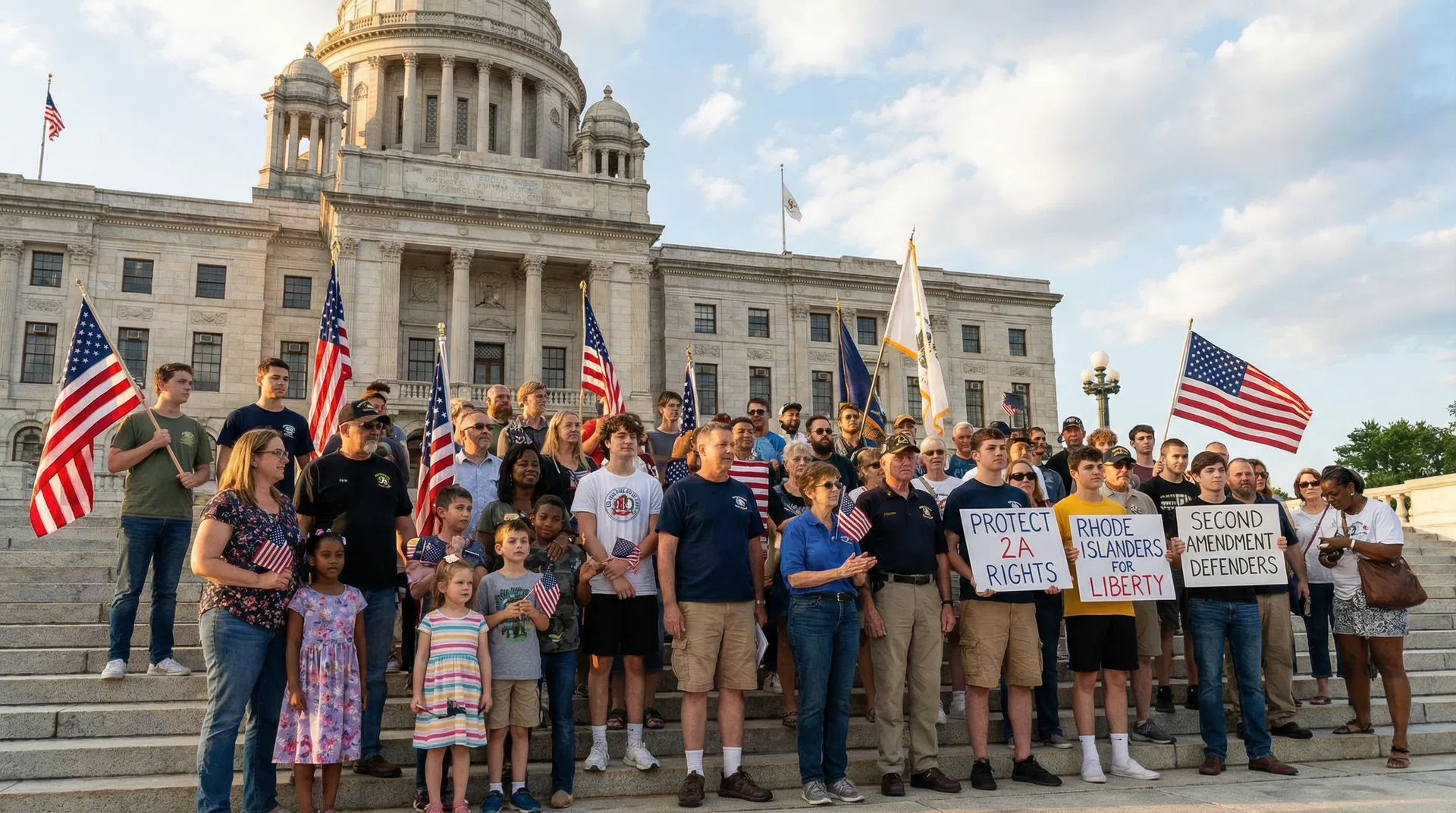
Discover the organizations fighting to protect Second Amendment rights in Rhode Island, from RIFOL to the RI 2A Coalition and beyond.

A comprehensive analysis of Rhode Island's assault weapons ban that takes effect July 1, 2026, and what it means for gun owners.
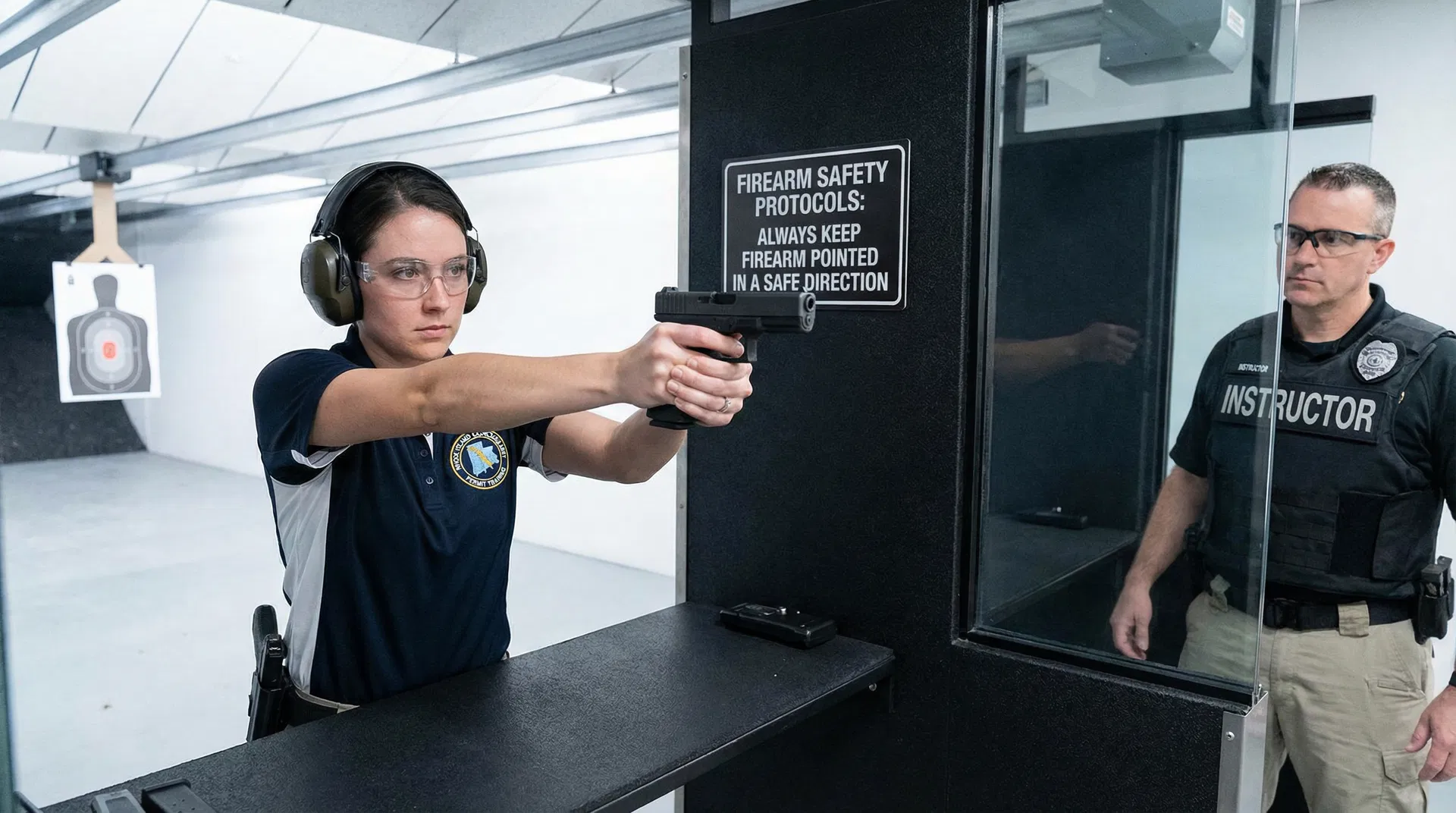
Everything you need to know about obtaining a concealed carry permit in Rhode Island, from application process to legal considerations.